Westbury Brook Restoration
Restoring natural processes on Westbury Brook
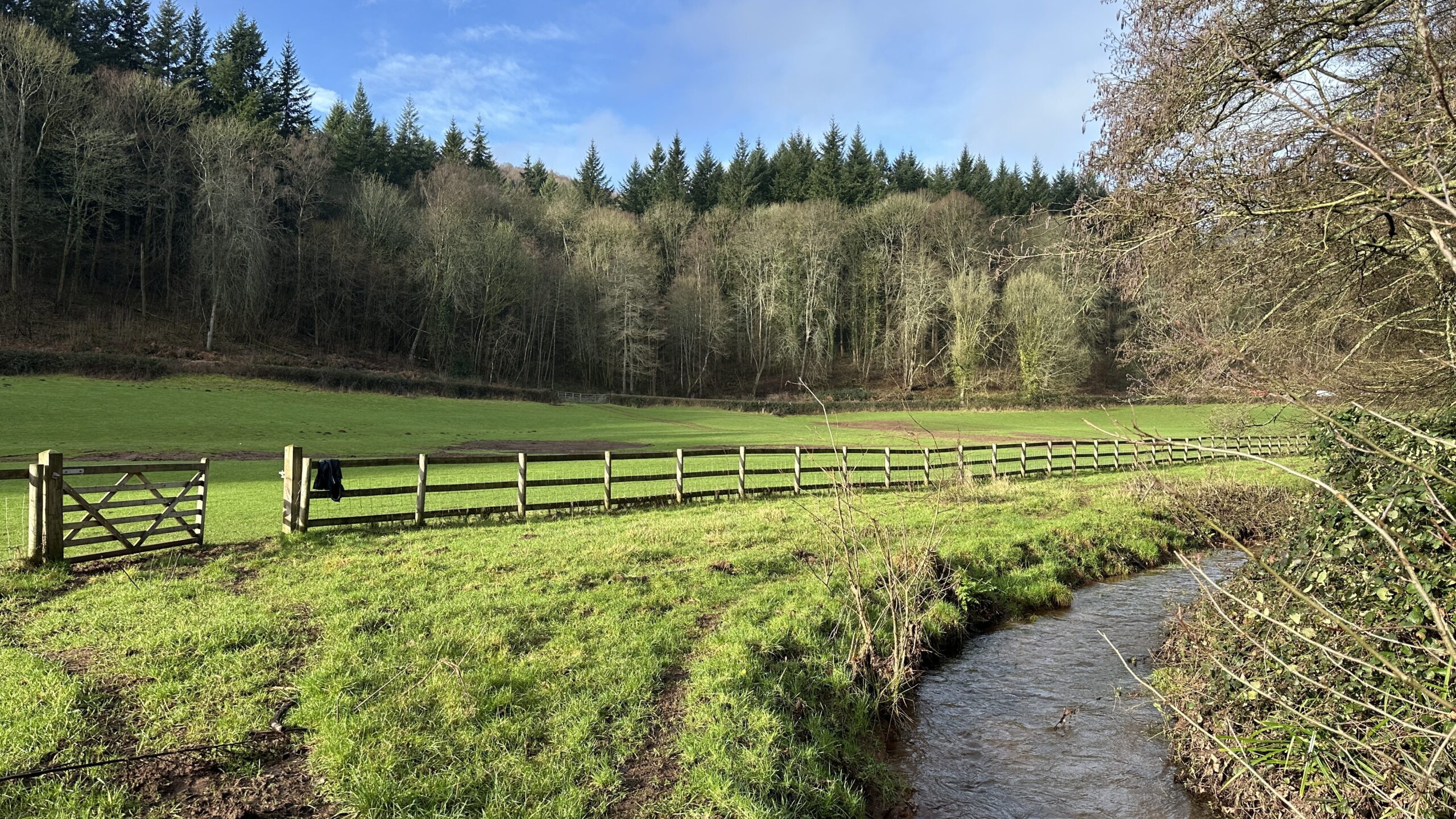
Westbury Brook is a small but important tributary of the River Severn, flowing into the estuary just below the village of Westbury-on-Severn in the Forest of Dean.
The Westbury Brook Restoration project has helped restore natural processes along the brook, improving its ecological health while increasing the valley’s ability to store water during high flows.
Delivered by Severn Rivers Trust, the project focused on reintroducing natural features and reconnecting the brook with its floodplain to support wildlife and strengthen the resilience of the wider catchment.
What we’ve done
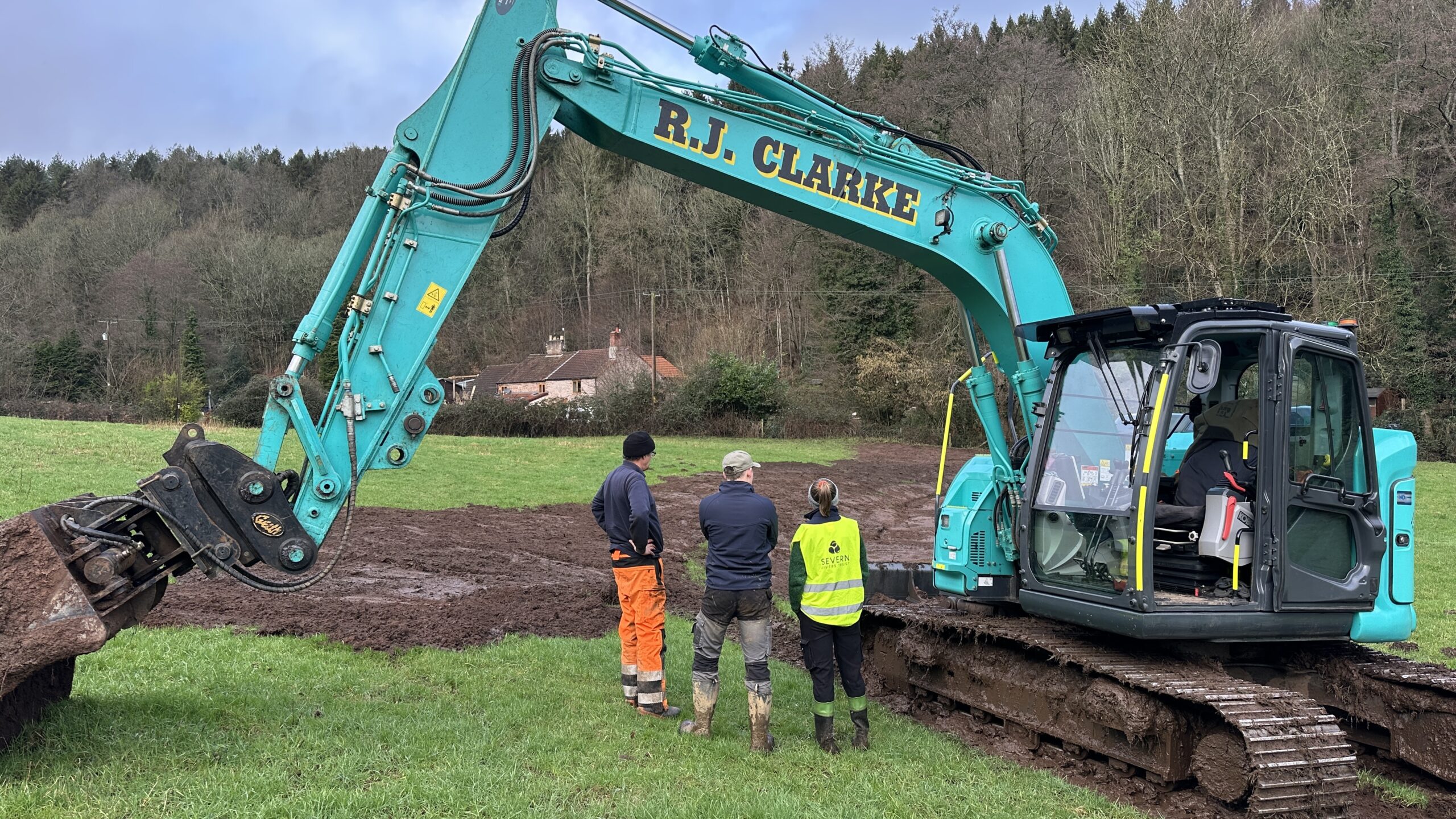
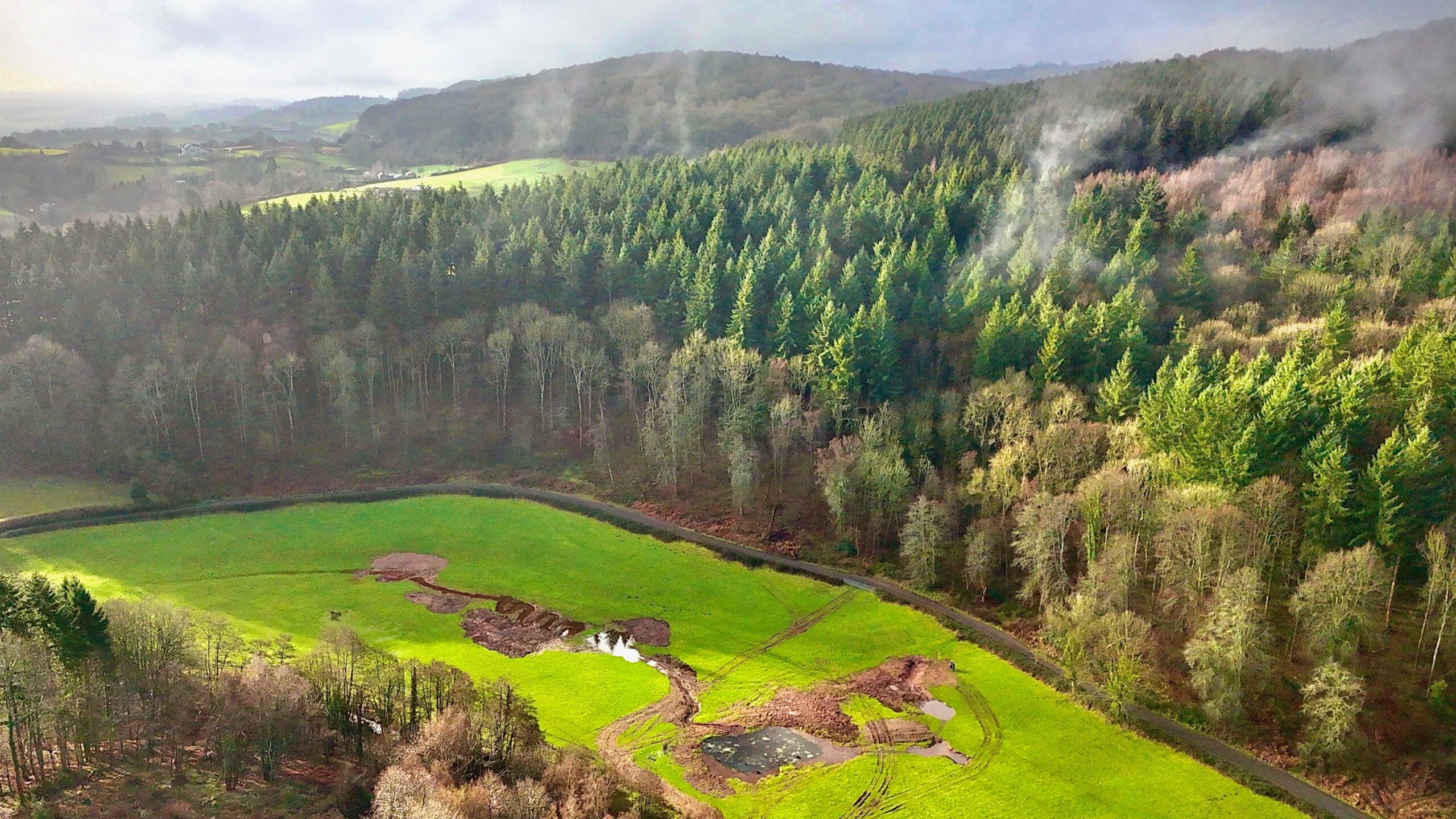
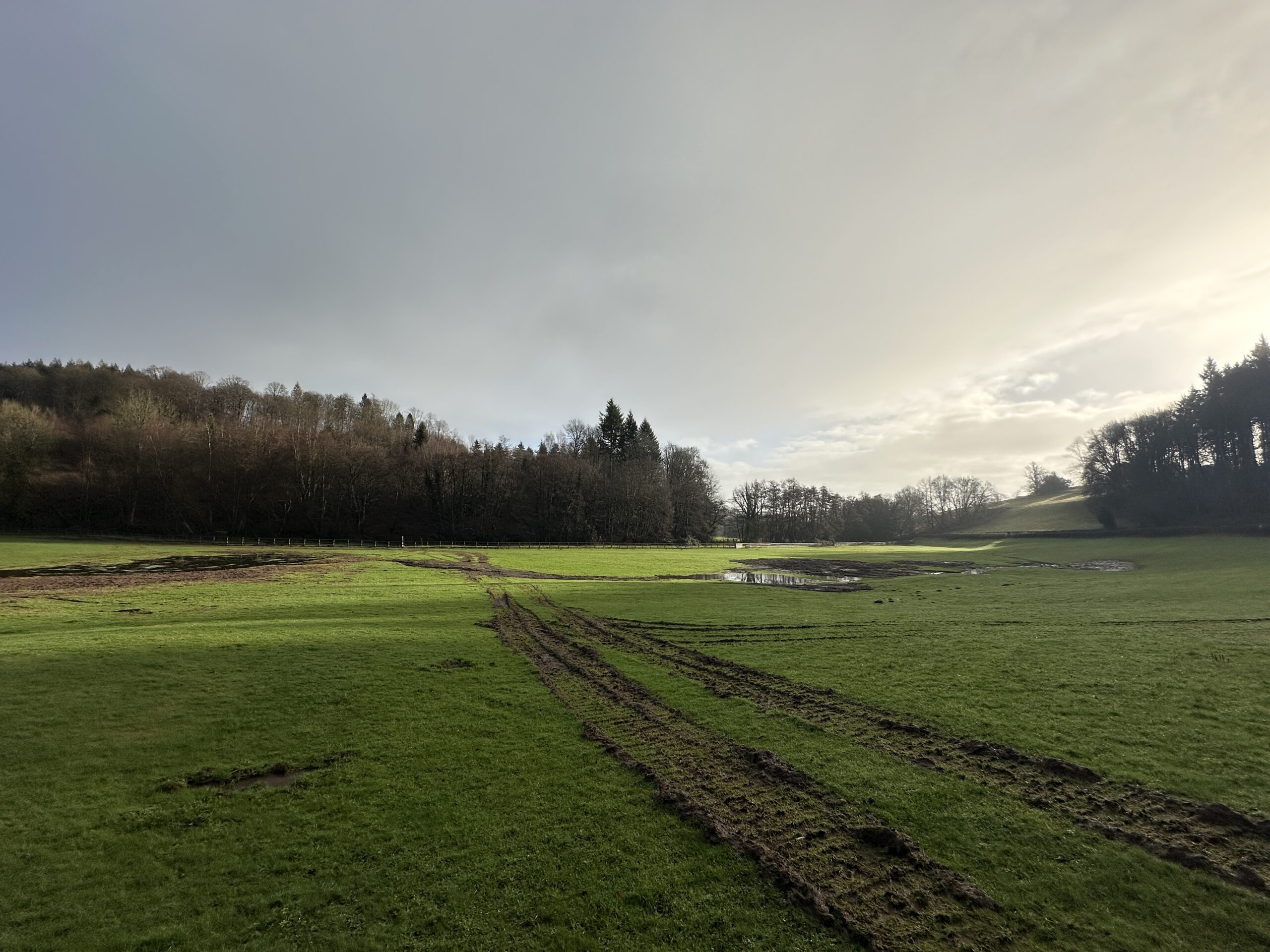
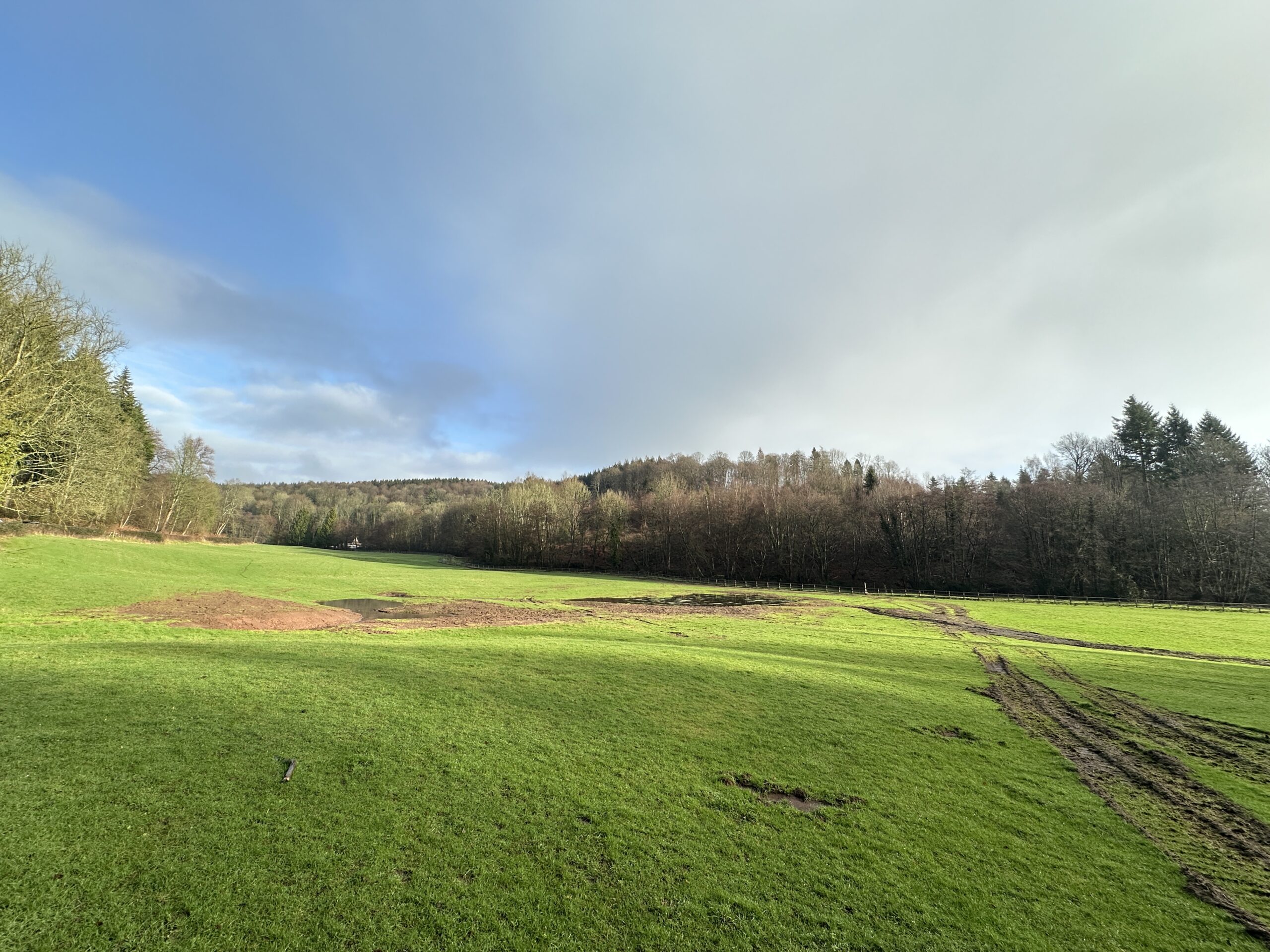
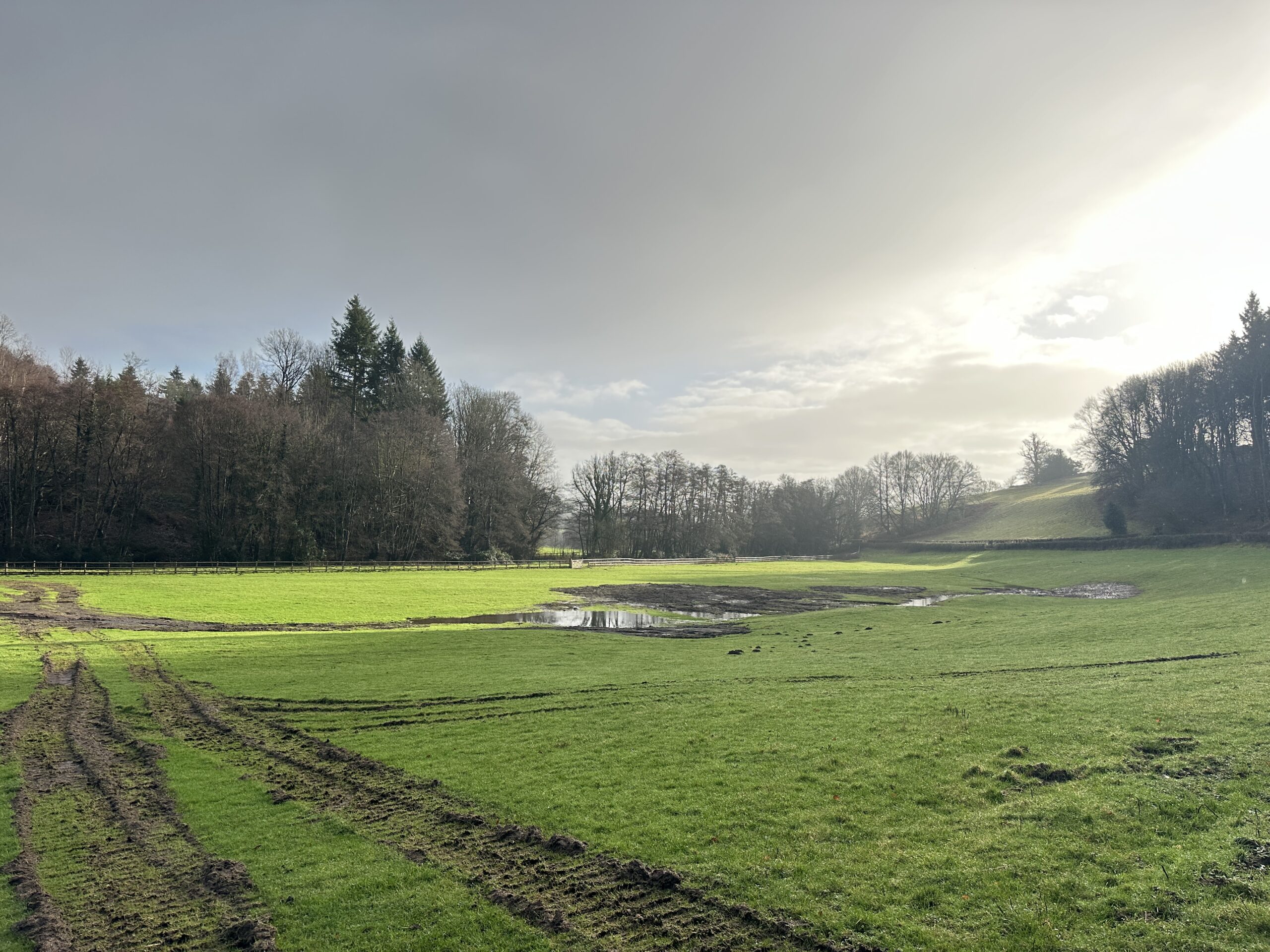
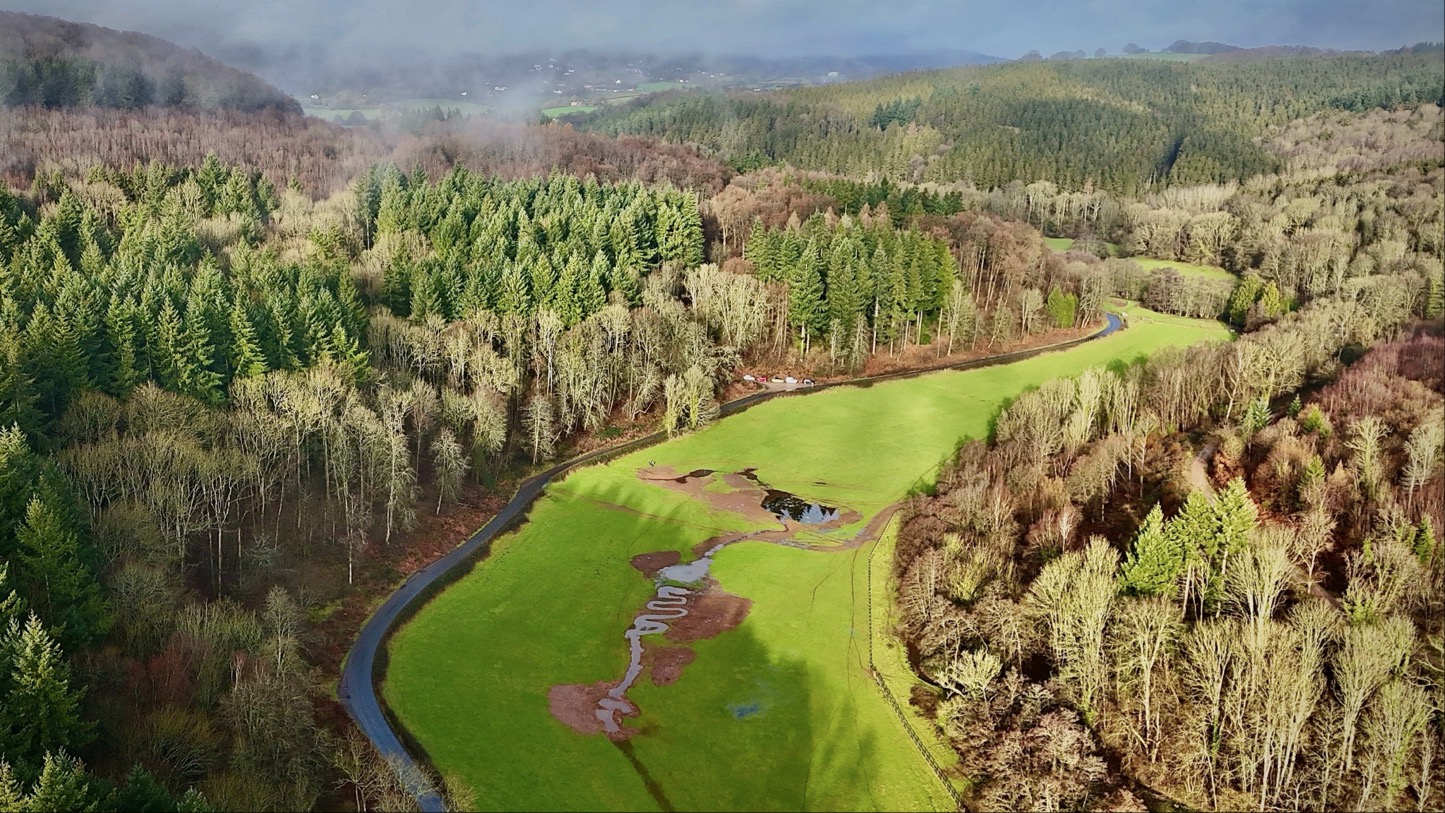
Upstream of Flaxley, our team introduced Large Woody Material (LWM) into the brook and created shallow scrapes and wetland features across the floodplain.
These interventions help the river behave more naturally by slowing the flow of water, encouraging it to spill into surrounding areas during high flows and creating a more varied channel structure.
The works have:
-
Increased natural flood storage within the valley
-
Helped trap sediment and filter pollutants from the water
-
Created a wider range of habitats across the floodplain
-
Improved conditions for fish, birds, mammals and aquatic insects
In total, the project has created and restored around 4 hectares of wetland habitat while diversifying the flow pathways of the brook.
Why this work matters
Many rivers across the Severn catchment have been historically modified, reducing their natural complexity and the habitats they provide for wildlife.
By restoring natural river processes, projects like this allow the river to do much of the work itself. Over time, woody material, varied flows and connected floodplain areas will continue to create rich habitats that support a wide range of species while also helping manage water more naturally across the landscape.
This project also links with other restoration work Severn Rivers Trust is delivering across Westbury Brook and the wider Forest of Dean, helping improve flood resilience and habitat connectivity across the catchment.
A landscape that will continue to evolve
One of the most exciting aspects of this work is what will happen in the years after delivery.
As the restored channel continues to evolve, the site will develop naturally, creating refuge areas for fish such as brown trout and eel, while the new wetland features will provide feeding and breeding habitat for insects including dragonflies and damselflies.
Over time, the valley will become an increasingly valuable haven for wildlife while also helping slow and store water across the landscape.